

The term “headache” refers to a variety of different conditions, some more harmless than others. Though at times they can be infrequent or resolve on their own, severe headaches that recur frequently can affect a person’s ability to carry out daily activities, reducing overall quality of life. Migraine headaches can be a severe, disabling condition and, unfortunately, don’t come with a plethora of solutions.
The purpose of physical therapy is to find and address the cause of the problem, as opposed to just masking the pain with medication. Whereas medication affects the central nervous system, physical therapy primarily involves work on the muscles and joints in the peripheral system.
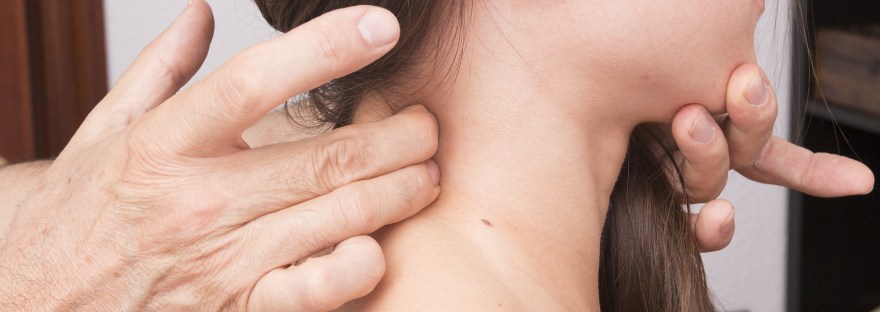
In an initial evaluation, a physical therapist may ask the patient to recall previous injuries to the neck or back, perform tests of muscle strength, examine posture, measure range of motion in the neck, back and other related muscle groups, or perform manual therapy techniques to evaluate the mobility of the joints.
Physical therapy is an “alternative” option to medication, among others including acupuncture, aromatherapy and biofeedback. How an individual migraine sufferer responds to physical therapy really depends on the extent to which the muscles and joints are involved in his or her headache. While it’s not the answer for every patient, many find relief in regularly performing some kind of physical therapy since it can aid posture and movement as well as helping with relaxation.
There are two main types of physical therapy that are of benefit to migraine sufferers:
Active therapy involves physical movement of various kinds, which may include exercises to improve range of motion, stretching for flexibility or low-impact aerobic training.
Passive therapy treatments don’t normally require any physical effort from the patient and can include using hot or cold packs or compresses, massage, or using TENS (transcutaneous electrical nerve stimulation) units.
Those who suffer from chronic headaches, migraines, tension headaches or other types of pain in the neck, head and shoulder areas should set up an initial evaluation with a local physical therapy clinic. Via direct access laws, patients in all 50 states are eligible to seek physical therapy treatment without a prescription or referral from a physician, which can ultimately save time, money and provide the most natural treatment option yielding optimal results.

 #THINKPTFIRST