
Therapist Guided Exercises
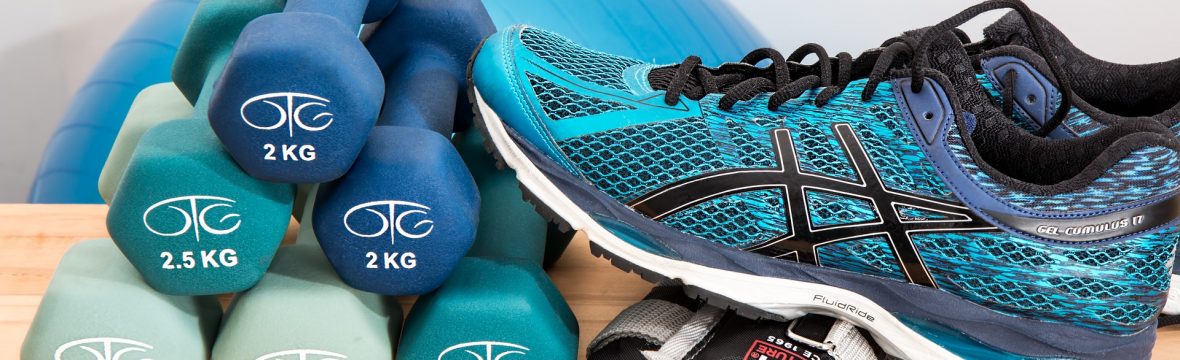
Almost nothing heals faster than exercise, which is why it’s the go-to treatment for most musculoskeletal conditions. In an outpatient setting, physical therapists will prescribe, dose, and monitor specific range-of-motion and strengthening exercises to stimulate recovery.
Manual Therapy
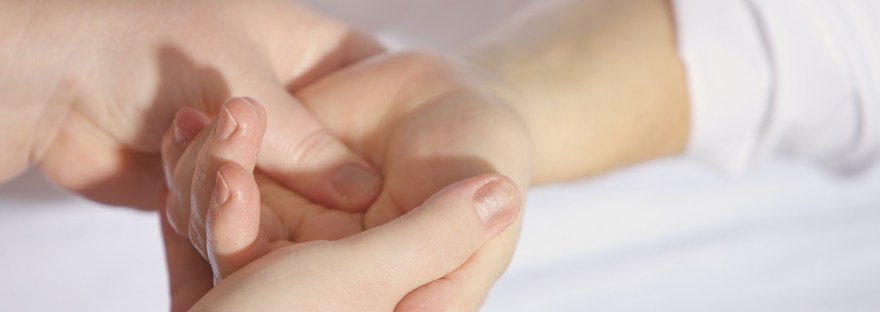
Manual therapy can be an excellent adjunct to exercise, not to mention a cost-effective way to provide relief and prepare for more intensive treatments. Manual therapy, like joint mobilization and stretching, involves skilled hand movements that reduce pain, increase range of motion, and decrease inflammation.
Soft Tissue Mobilization (STM)
Soft tissue mobilization (STM) involves the use of massage and similar techniques to reduce scar tissue and allow to relax. Instrument-assisted STM methods have become particularly popular among athletes, whose stiff muscles often require greater force than PTs can safely provide with their hands. Overall, STM is an excellent way to address the contractures that reduce mobility and keep patients from moving properly.
Heat
Dry heat has long been a go-to treatment for injuries, as well as the alleviation of muscle soreness. Unlike other “deep heating” methods, dry heat only significantly affects skin, fat and other superficial tissues. Still, heat’s local effects are often enough to decrease pain, increase mobility and temporarily allow for pain-free movement.
Moist heat is another form of superficial heat therapy, and in most cases therapists will simply apply damp heat packs to injured areas. It works via the same mechanisms as dry heat, but several studies suggest that moist heat penetrates deeper and faster into injured tissues and facilitates more significant functional improvements.
Cold
Unlike heat, cold or ice therapy is used to reduce blood flow and inflammation. It can also reduce or temporarily prevent swelling in an injured joint or muscle following exercise, making it a useful post-exercise modality. In many cases, PTs will first apply heat to help patients “warm up” and gain mobility for therapeutic exercise, and apply ice to reduce the inflammatory response afterwards.

 #THINKPTFIRST